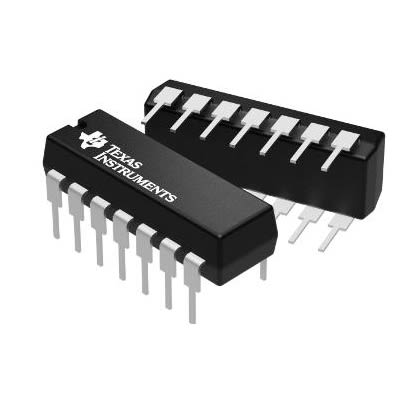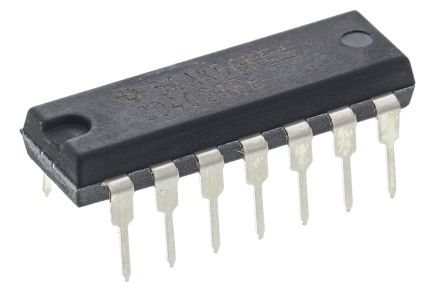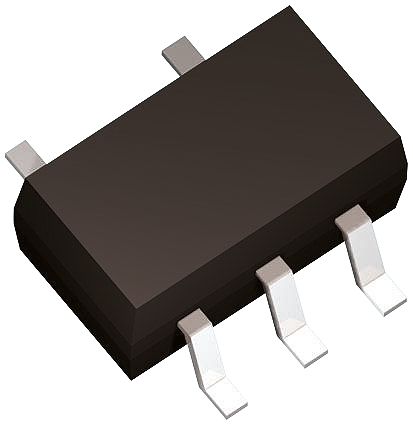

With any circuit that goes beyond a simple power source, conductor and load, there will usually be some form of switching, which lets the user turn it on and off. As circuits become more complex, however, a degree of logic will enter the equation. That means that switching the circuit on and off will only happen when two or more conditions are in place. Those conditions might be a button being pressed, a sensor transmitting a voltage, another circuit being live or any of a host of potential conditions being met. Rather than relying on humans to ensure all the conditions are met, a logic gate can be included in the circuit that won’t allow the device or process to operate unless the input conditions are met.
This form of logic switching was the basis for the earliest computers and calculating machines. The original hardware used was bulky, power-hungry valves or vacuum tubes, but these would eventually be replaced by transistors and then silicon chips. There’s still a need for such automatic switches in all manner of engineering tasks, however, and that’s why they are available as self-contained logic gates.
Logic gates come in several forms, the commonest being AND, OR, NOR, NAND (NOT-AND), XOR (exclusive OR), but there are others too. In this article, we’ll be looking at AND gates.