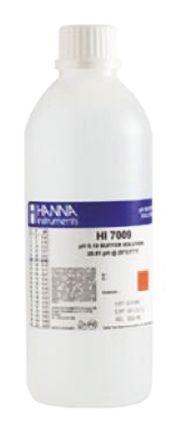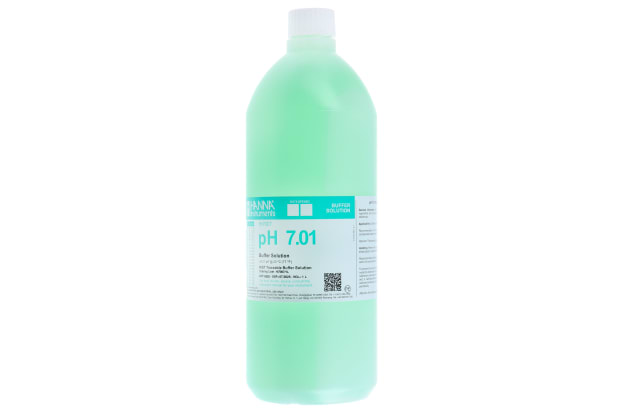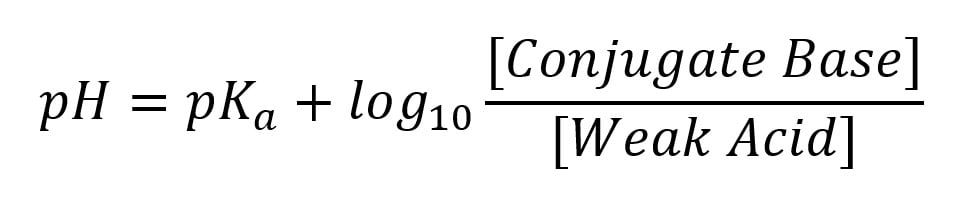

Buffer solutions, also known as pH buffers, are water-based liquids that can maintain a set pH value within a certain range when small amounts of acid or base (alkaline) are added. Made using conjugates of weak bases and acids, they can work in equilibrium together. They won’t have their pH value significantly affected when small amounts of other acids or bases are added.
Helpful in chemical and biological testing, product development and industrial processes, understanding the pH range (buffer) of each solution means its users will know where the capacity or limit will be reached and keep their conditions stable. Depending on the specific needs of a process, test or reaction, a user may need a buffer solution with a slightly acidic or alkaline pH value.
This guide will give an overview of the types of buffer solutions. It will explain how and why they’re used and how you can find the right buffer solution for your needs.