SKF Flexible Coupling Flector 165mm
- RS Stock No.:
- 862-5761
- Mfr. Part No.:
- PHE F60FRTYRE
- Brand:
- SKF

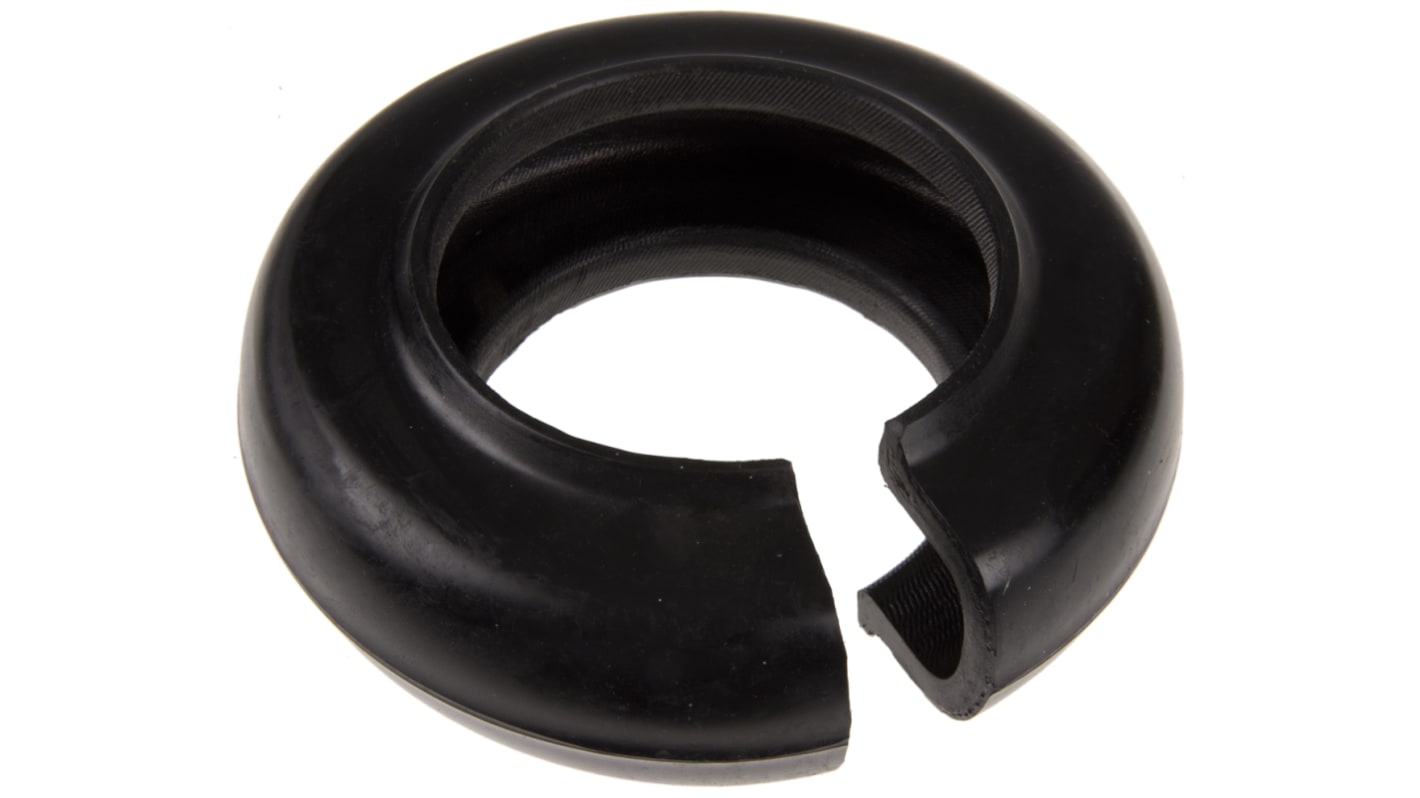
Image representative of range
Stock information currently inaccessible
- RS Stock No.:
- 862-5761
- Mfr. Part No.:
- PHE F60FRTYRE
- Brand:
- SKF
Specifications
Technical Reference
Legislation and Compliance
Product Details
Find similar products by selecting one or more attributes.
Select all | Attribute | Value |
|---|---|---|
| Brand | SKF | |
| Size | 165mm | |
| Coupling Types | Tyre Coupling | |
| Torque Rating | 318Nm | |
| Misalignment - Angular | 4° | |
| Misalignment - Axial | 2mm | |
| Misalignment - Parallel | 1.6mm | |
| Length | 41.5mm | |
| Select all | ||
|---|---|---|
Brand SKF | ||
Size 165mm | ||
Coupling Types Tyre Coupling | ||
Torque Rating 318Nm | ||
Misalignment - Angular 4° | ||
Misalignment - Axial 2mm | ||
Misalignment - Parallel 1.6mm | ||
Length 41.5mm | ||
- COO (Country of Origin):
- IN
SKF Flexible Coupling Flector, 165mm Size, 318 Nm Torque Rating - PHE F60FRTYRE
This flexible coupling flector is designed to accommodate various shaft misalignments in industrial applications. It effectively transmits power while minimising vibration and wear on connected machinery. Its high torque rating and adaptability make it a crucial component for improving operational efficiency in mechanical systems.
Features & Benefits
• Thyre coupling type efficiently absorbs shock and vibration
• High torque rating of 318Nm supports rigorous applications
• Accommodates up to 4° of angular misalignment for efficient operation
• Allows for 2mm of axial misalignment to ensure flexibility
• Designed for parallel misalignment up to 1.6mm for seamless integration
• High torque rating of 318Nm supports rigorous applications
• Accommodates up to 4° of angular misalignment for efficient operation
• Allows for 2mm of axial misalignment to ensure flexibility
• Designed for parallel misalignment up to 1.6mm for seamless integration
Applications
• Used with motors and gearboxes in conveyor systems
• Suitable for connecting shafts in machinery with frequent misalignment
• Applicable in automated systems that require flexible linkages
• Utilised in various industrial settings, including manufacturing and processing lines
• Suitable for connecting shafts in machinery with frequent misalignment
• Applicable in automated systems that require flexible linkages
• Utilised in various industrial settings, including manufacturing and processing lines
How does it handle shaft misalignments during operation?
It effectively accommodates angular, axial, and parallel misalignments, ensuring smooth performance.
Can it be used in high-speed applications?
Yes, its robust design and effective shock absorption make it suitable for high-speed operations.
What maintenance practices should be followed?
Regular inspections for wear and alignment checks are advisable to maintain longevity and performance.
Is it compatible with standard motor sizes?
Yes, it is designed for seamless integration with commonly used motor and gearbox sizes.
How does it impact the performance of connected machinery?
It reduces vibration and wear, enhancing the efficiency and lifespan of connected components.