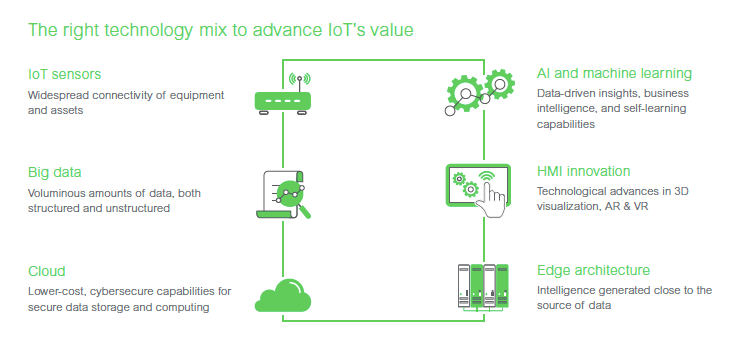
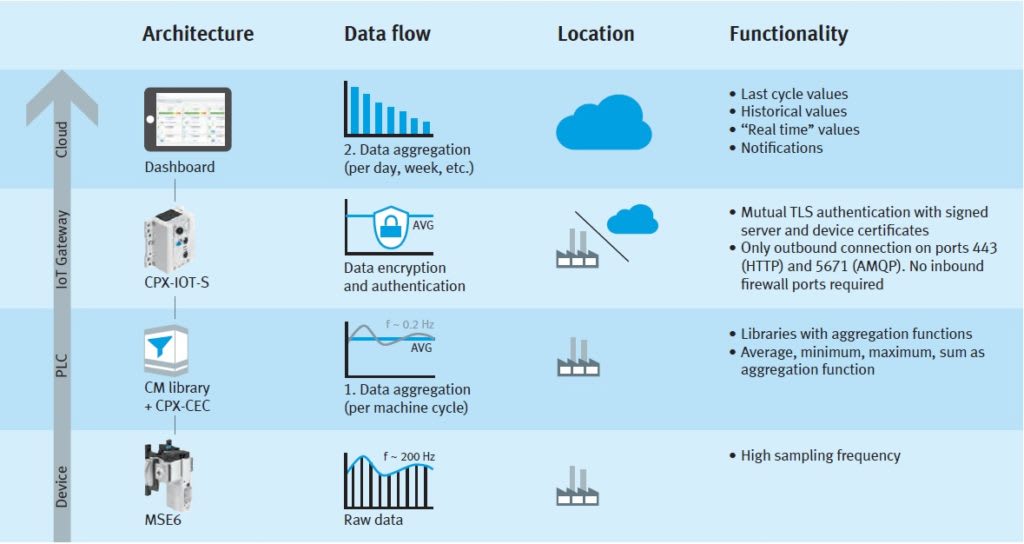
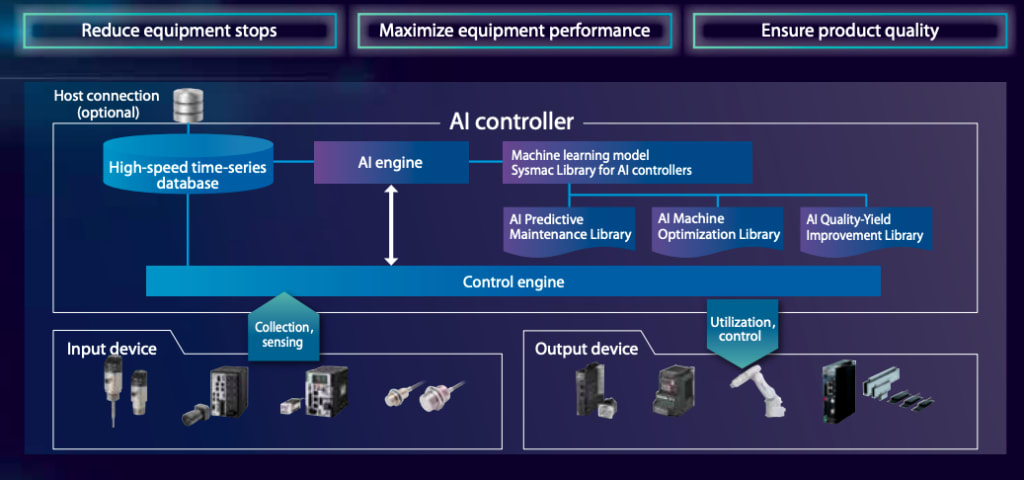
The business of manufacturing continues to undergo considerable transformation. Government initiatives, such as Industry 4.0, are responsible for driving manufacturing and operational efficiency improvements. Many processes and automation improvements become realised using Industrial Internet of Things (IIoT) technologies. With sensors and actuators implemented throughout industrial processes and on production assets, analysis and control systems can optimise individual processes and achieve production efficiencies in real-time. Deploying intelligent and smart sensors also brings machine learning and AI technologies into manufacturing.
With more information on what is happening on the production floor, plant management benefits from the business insights that the data yields. However, predicting and simulating further potential efficiency improvements of the physical assets can only be taken so far. The latest trend that promises to deliver even more production efficiencies is the digital twin.
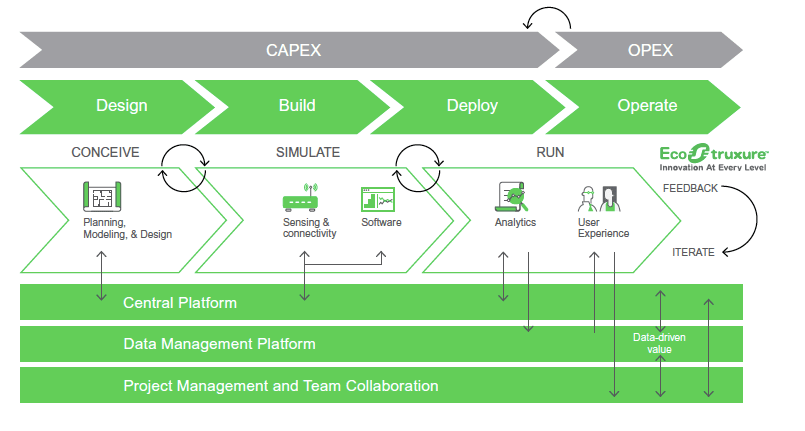
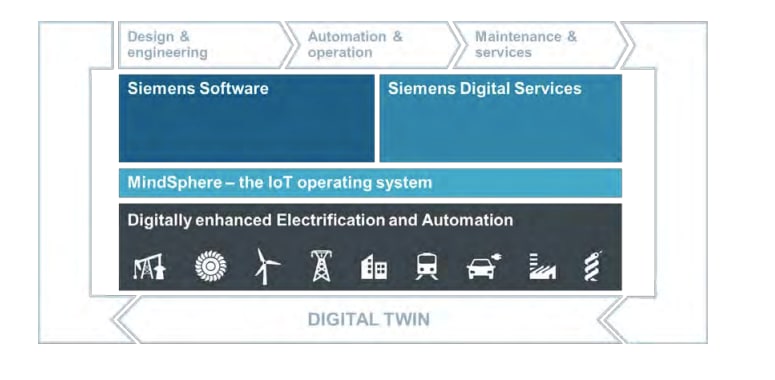
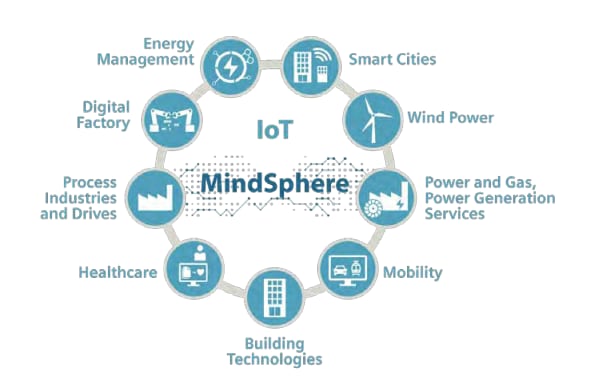
This article explains what a digital twin is, what it can deliver, and how plant management can implement a digital twin solution. We showcase several solutions from leading industrial automation suppliers to add depth and insight to guide readers in selecting critical aspects of a digital twin implementation.
The Age of the Digital Twin
Advances in technology often result in change. Changes in how an industry or market operates may take a while, but the impact can be significant over several years. Take the manufacturing industry, for example. The first step towards computer-controlled process automation saw sensors and electrically operated actuators fitted to a range of manufacturing equipment. The next step networked groups of associated production assets together. Plant management could then monitor and determine operating effectiveness and asset efficiency at a process level.
A decade ago, the fourth industrial revolution - Industry 4.0 - combined with the developing Industrial Internet of Things (IIoT) to herald even more efficiency improvements by deploying connected sensors and control systems. Today's factory is becoming a lean, efficient, and highly effective operation.
As technologies advance, so does the opportunity to squeeze more efficiency out of an already effective operation. Artificial intelligence systems using machine learning algorithms and low-power batteryless sensors are already starting to crunch their way through masses of production data in real-time.
One vital aspect previously missing from their operation for factory owners and plant management was the ability to simulate and model production assets, processes, and, in many cases, the whole factory. Like any system or process, whether an operational cost calculation or a packaging machine, a deeper understanding of its functions can reveal many insights that might uncover potential improvements and commercial benefits.
Decades ago, the digital twin concept was born to represent a digital replica of a process so its operation could be simulated and modelled for budgeting and planning purposes. However, creating a digital or virtual representation of a physical production asset needs immense data volumes. With the march of Industry 4.0, IIoT, and now AI, a digital twin for industrial applications is possible.