- Justyna Matuszak
- Published 8 Sept 2026
- Last Modified 29 Oct 2026
- 5 min

Different Ways to Harness Energy from Wind


Different Ways to Harness Energy from Wind
Wind turbines are a great way to generate clean, renewable energy. They harness the wind's energy and convert it into electricity. The blades are driven around by the wind, driving a turbine that creates power. The more wind there is, the more electricity is generated.
Wind technology continues to evolve, with new innovations emerging alongside conventional turbine designs. Most wind turbines feature two or three long, slender blades and resemble aeroplane propellers. However, a range of less well-known alternatives is also being developed, some of which could present promising investment opportunities.
According to Clean Energy Ideas, up to 12 MW of electricity can be generated by some of the biggest models. Each turbine can supply energy to around 16,000 families annually. How much energy can other types generate? Read on to find out.
5 Different Types of Wind Turbines
Different types of wind turbines are designed to meet specific energy needs, with each offering unique benefits in terms of efficiency, installation and performance. Here are five different types.
1. Bladeless Wind Power
In our article about the top 10 innovations in the energy sector we wrote about bladeless wind turbines, showing the new design invented by a Spanish firm called Vortex Bladeless. The 3 m tall bladeless turbine is fixed vertically into the ground using an elastic rod. It is designed to tilt or oscillate within the range of the wind's speed, and the resulting vibration generates energy. These bladeless turbines don't need as much space as traditional wind farms and can be employed in urban or residential areas.
2. Vertical Axis Turbines
Vertical-axis turbines are more straightforward and efficient in windy conditions. They don't need to rotate in order to follow the wind and are a better choice compared with horizontal turbines. They are also easier to maintain because the generator and gearbox are at ground level and turbines can be stacked closer together due to a narrower width.
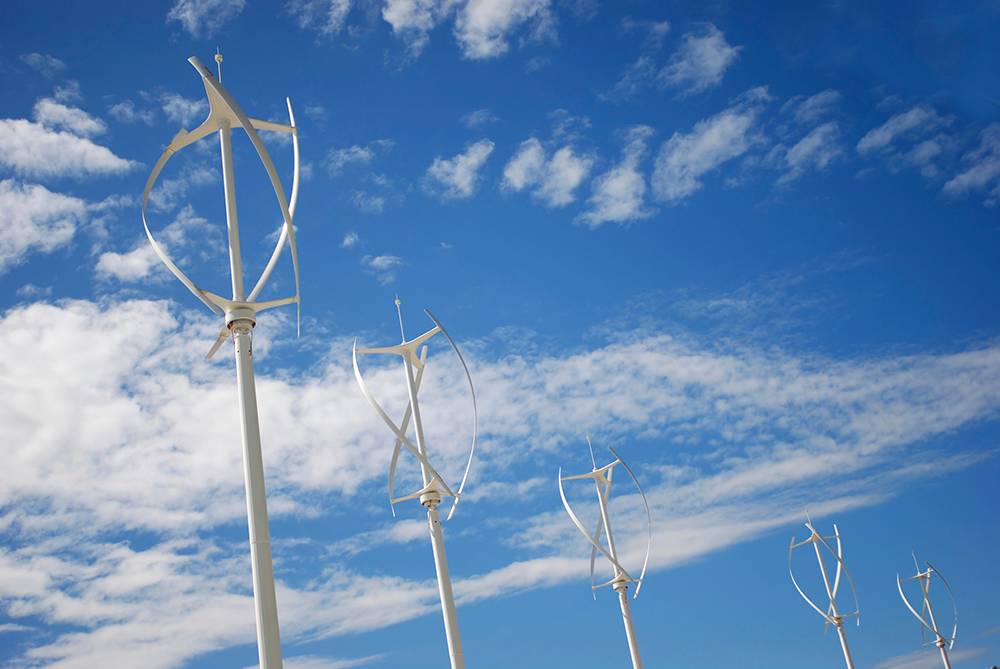
The blades are made of fibreglass and carbon fibre and can rotate at a maximum speed of 200 revolutions per minute. There are also different vertical axis turbines, such as eddy turbines. According to Elektor magazine, Eddy has a cut-in speed of only 3.5 meters per second and a rated power of 600 watts. Its unit is expected to last 20 years and has a maximum safe wind speed of more than 120 mph (55 m/s).
3. Airborne Wind Turbine
Makani has devised a method to harness wind energy with kites. At heights over 300 meters the Makani Airborne Wind Turbine (AWT) can reach stronger and more reliable winds, allowing them to produce more electricity.
Wind could power the world 100 times over, but only 5% of the world's electricity comes from wind power.- Makani, Harnessing wind energy with kites to create renewable electricity
4. Offshore wind turbines used to farm seaweed
Energy generation is focusing on more sustainable solutions and maritime sector is progressing towards greener power. For example, shareholders in the Norther wind farm in Belgium intend to employ offshore wind turbines for aquaculture or maritime agriculture. They want to automate seaweed cultivation and harvesting while creating a technology that can be applied to other wind farms.
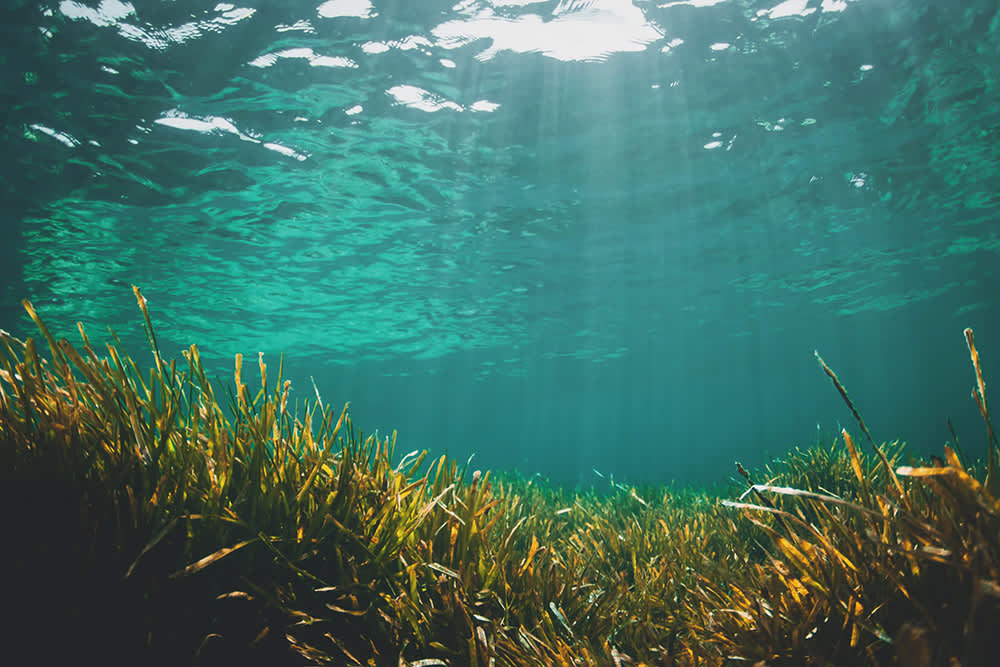
The project "Wier and Wind" was developed by a Belgian-Dutch team, a project aimed to create an automated, large-scale seaweed manufacturing system. According to Power Technology, the idea is to cultivate seaweed on a vast scale over a period of three years. This project would be the first to cover up to 20,000m2 (4.9 acres) in less sheltered waters.
5. Wind turbines made with fabric
Nowadays, new wind turbines are often built from different materials. Some are covered with a special technical fabric that makes the turbine blades lighter, increasing electricity production.
The partnership between Enel Green Power and the Scottish start-up ACT Blade, a company specialising in the creation of cutting-edge wind turbines covered in a unique technical fabric, illustrates this strategy. Some of the materials are made of conventional composite structures used in the wind industry - fabric similar to sailcloth that covers the entire blade.
The focus is also on low-cost thermoplastic which creates an opportunity for wind turbine blades to be recyclable because of the emerging materials. World's largest thermoplasticwind turbine blade was made in Spain and its prototype is a 100% recyclable wind turbine blade (thermoplastic resin).
Besides different materials, innovative manufacturing is helping make the new wind turbines more efficient and sustainable. The focus now is on 3D printing, manufacturing and aviation as supportive technologies.
RS offers sustainable and high-tech products that can help many industries, from the energy sector such as wind, solar and grid, to aviation and maritime industries, by providing its customers with the best solutions from market leaders.

Justyna is a Digital Content Writer at RS, responsible for writing and managing content. She studied Journalism and Social Communication with a specialisation in social media and e-PR. In that time, she participated in journalist internships in Wroclaw (PL) and London. She is passionate about tech innovations, the shift to a digital world and the impact technology has on our lives. Her interests are sport, music and film photography.