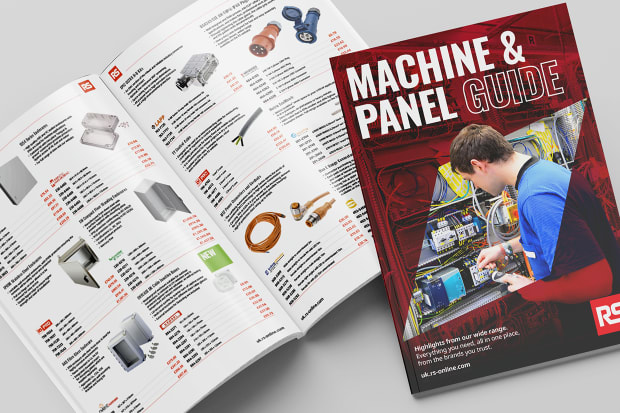
NEW Machine Panel Guide
Highlights from our wide range. Everything you need, all in one place, from the brands you trust.

Everything you need, all in one place, from the brands you trust.
Find everything you need from one place with our wide range of products from leading brands, covering electrical, automation, mechanical and fluid power with new ranges being added continually. Save time and get help to find products from our technical support team, as well as online access to datasheets and 3D models. With clear online pricing and a range of delivery options available, we’ll make sure that you get the right product at the right time.
Highlights from our wide range. Everything you need, all in one place, from the brands you trust.

Our interactive infographic helps you to navigate our extensive range of machine build products and brands.

Two industry experts share their views on the challenges, opportunities and how to respond.

These are fundamental to your machine build and whether you're looking for entry level logic controllers or complex PLCs we have a solution for you.

Discover everything from AC & DC motors and inverter drives to precision servo control, electric actuators and robotics kits.

Whatever machine you're building, we can support with cylinders, hoses, gauges, bearings, belts, gears or pulleys from the leading brands.

All the essentials including wire, power, control and data cables, plus accessories to mark, protect and route cabling as required.

Logic and process control, datacoms and sensing are core to industrial automation and form the heart of many machine control builds.

Whether you use a preferred brand or a best in class approach to build the desired safety system, our extensive range can make life easier.

Power, signalling and data connectors for board, panel and machine level applications, from the brands you can rely on.
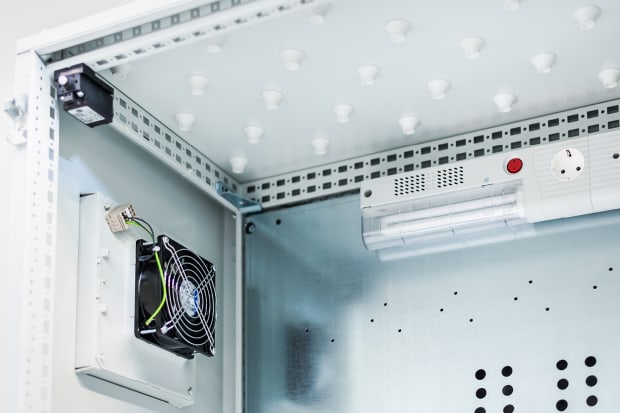
Extensive range of enclosures for a wide number of applications, plus the necessary hardare to maintain the right temperature inside.

All you need from the brands you trust, to address your requirements for proving designs, machine build, test and commissioning.
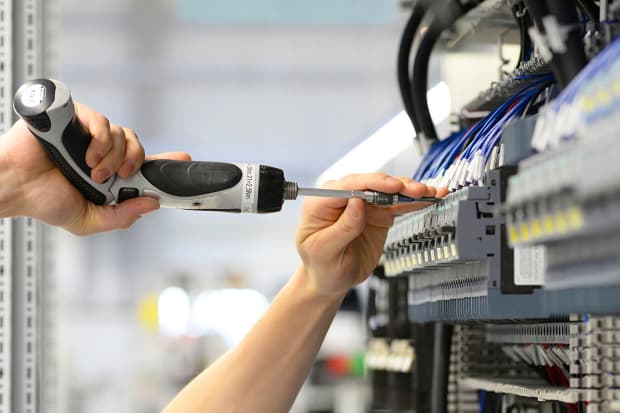
From VDE screwdrivers to torque wrenches, we have a vast range of tools and storage options from leading brands to suit all your needs.

Whatever you're building, we can supply you with the raw materials and mechanical components along with the fixings to put it all together.

Find all the parts you need in one place, take a look at our power supplies, control gear and circuit protection hardware from the brands you trust.

Our customer service and engineering teams are on hand to support your needs and answer your questions online, by phone on 03457 201 201 or in person at our RS Local branches.

Software offering a powerful and comprehensive range of professional CAD capabilities. Complete designs in a fraction of the time.

You need solutions that respond to demands, reduce waste and streamline processes. From bespoke kits and eco tote deliveries, we can help.

A web-based procurement tool designed to simplify your processes and save time and money. No integration, no investment, easy to onboard.